
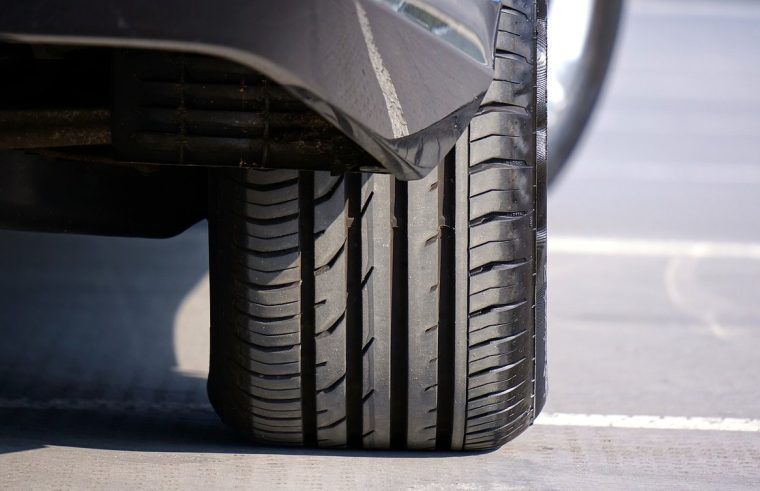
Installing tires or rims of different sizes on a vehicle changes its technical specifications, such as ground clearance, speedometer accuracy, contact patch, and other metrics.
Use the Car Tire Upsize Calculator to quickly figure out how a new tire or rim size will affect these parameters.
Car Tyre Upsize Calculator
Compare two tyre sizes and see the impact on overall diameter, speedometer reading, and revolutions per kilometre.
Current tyre
New tyre
Comparison
| Measurement | Current | New | Difference |
|---|
Industry rule of thumb: keep the overall diameter within ±3% of the original to avoid speedometer error, ABS / TPMS issues, and gearing changes. Always confirm load index, speed rating, and rim width compatibility with your manufacturer.
Why does this matter?
When drivers “plus-size” their wheels (e.g., upgrading from 16″ to 17″), they need to choose a tire with a shorter sidewall to keep the overall diameter roughly the same. If they don’t, then:
- The speedometer will read incorrectly. A larger diameter makes the speedometer read lower, which can result in speeding tickets and an incorrect odometer reading (lower resale value).
- ABS, traction control, and TPMS are calibrated based on the original rolling circumference. Large deviations can trigger warning lights and degrade braking performance.
- Gearing changes. Bigger tires feel sluggish off the line and hurt fuel economy, while smaller tires raise engine RPM at cruise.
- Clearance. Too wide or too tall of a tire can rub against the suspension arms or the wheel arches when the steering wheel is turned all the way or when the car is going over a bump.
So, the calculator answers the one question every upsizer has before buying: “Will my new size actually fit and behave correctly?” The answer is given in numbers, not guesswork.